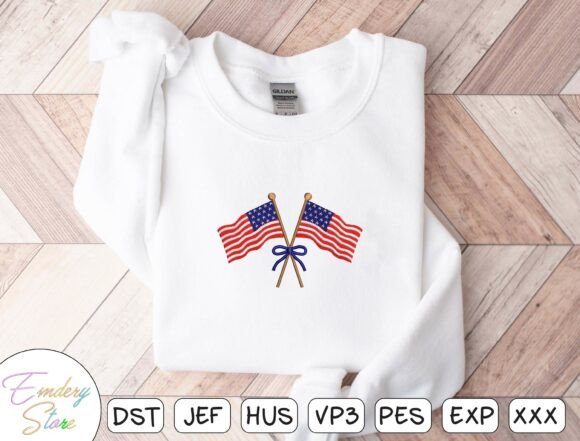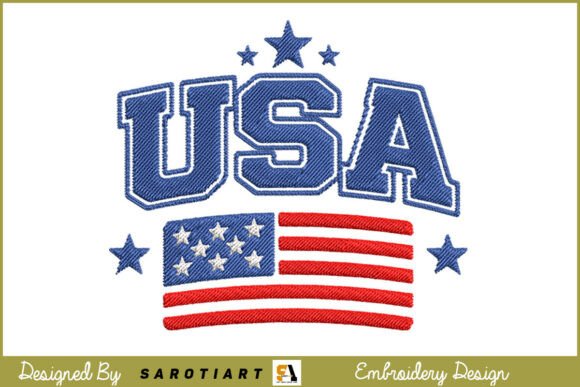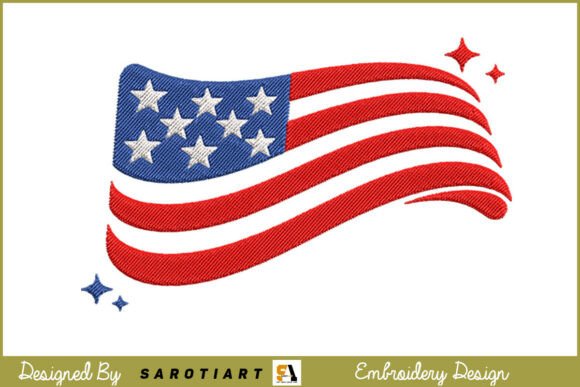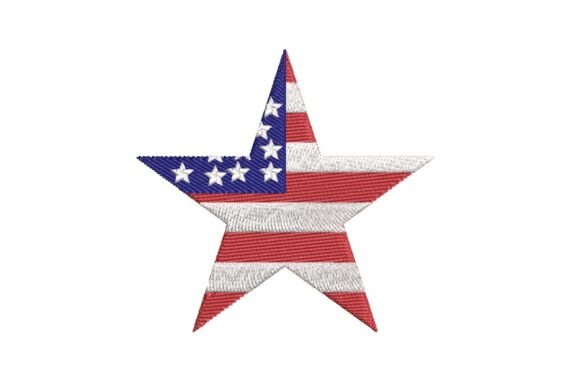
American Flag Star Embroidery Design
First Impression: Bold, Festive, and Instantly Recognizable
As an embroidery designer who’s prepped over 200 craft fair booths—and watched which designs stop foot traffic versus which get a polite glance—I opened the American Flag Star Embroidery Design file with high expectations. The title alone delivers clarity: “bold,” “American pride,” “stars and stripes.” No whimsy, no irony—just confident, celebratory patriotism. It reads as festive first, decorative second, and premium third. That’s ideal for Independence Day markets where shoppers want to feel connection, not confusion. It doesn’t lean farmhouse or minimalist; it leans *present*. You see it on a tote at ten paces, and you know exactly what it is—and what it stands for.
Where It Shines: Craft Fair Product Pairings That Sell
This machine embroidery design thrives where visibility, emotion, and wearability intersect. On a natural canvas tote bag? Perfect—large enough for the star motif to anchor the front without overwhelming. As apron embroidery, centered above the pocket, it adds instant personality and purpose—ideal for food trucks, bakers, and small-batch makers who want their booth to say “proudly handmade.” For tea towel embroidery, place it in the lower corner: clean, functional, and photo-ready for Instagram or Etsy listings.
As an embroidered patch, the American Flag Star Embroidery Design becomes versatile inventory—sew-on or iron-on versions let customers personalize denim jackets, backpacks, or market bags. On structured caps? Use only the star element (if the file allows separation) to avoid distortion on curved surfaces. Small fabric pouches and pillow covers benefit from its balanced geometry—it scales down cleanly without losing legibility, making it a strong small shop product for gift sets.
What Makes It Booth-Ready and Buyer-Engaging
In a crowded craft fair aisle, attention is currency—and this design earns it. Its high-contrast red/white/blue palette pops against natural linen, oatmeal cotton, and even navy denim. Customers don’t need to pause and decode it; they *feel* it. That emotional resonance translates directly to engagement: parents point it out to kids, veterans pause longer, tourists reach for souvenirs. It strengthens brand consistency across your line—if your shop leans patriotic, vintage-American, or community-rooted, this digital embroidery file reinforces that story without words.
Visually, it elevates perceived value. A plain tea towel becomes a collectible; a basic canvas tote becomes a statement piece. And because it’s inherently scalable and repeatable, it supports batch production—critical when you’re stitching 40+ items before Saturday morning. Just remember: test the design on scrap fabric first. Not all red threads photograph the same under tent lighting, and white thread on light fabric can fade in person if stitch density is too low.
Practical Production Notes Every Embroiderer Should Check
- Hoop size matters: Confirm the largest version fits your standard hoop—especially if embroidering on curved cap fronts or narrow apron straps.
- Stabilizer choice is non-negotiable: Use cutaway for knits and lightweight cottons; tear-away works well for stable quilting cottons and tea towels. Skip fusible web alone—it won’t support dense stripe areas.
- Fabric texture changes everything: On terry cloth or thick woven towels, reduce stitch density slightly or increase underlay to prevent puckering. Test on your exact fabric—not just muslin.
- Thread colors need real-world verification: Some “navy” threads read black in shade; some “bright red” bleeds on damp fabric. Always run a sample with your final thread set.
- Dark fabric? Double-check white thread coverage: If the design includes fine white stars or thin stripes, ensure your machine’s stitch count and tension deliver full opacity—no ghosting.
- Commercial licensing is essential: Before selling finished products, verify this embroidery file includes commercial use rights. Many digital sellers restrict resale of physical goods unless explicitly permitted.
Photography, Listings, and Digital Confidence
This American Flag Star Embroidery Design photographs exceptionally well—clean lines, strong color blocks, and inherent symmetry make it ideal for printable mockups. Whether you’re building Etsy listings, social ads, or email banners, it holds up at thumbnail size and full-screen. Unlike ornate florals or script-based designs, it doesn’t blur or soften when scaled down. That means your digital embroidery file listing gains credibility fast: buyers see clarity, confidence, and craft—no guesswork.
For handmade shops, it also streamlines storytelling. You don’t need to explain why it’s special—you show it stitched on a sun-bleached tote beside a mason jar of lemonade, and the narrative writes itself. That visual shorthand saves time, builds trust, and makes your craft fair product feel intentional, not incidental.
Final Designer Verdict: A High-Return, Low-Risk Independence Day Staple
If you’re curating for a July 4th booth—or building evergreen patriotic inventory—the American Flag Star Embroidery Design is a smart, steady performer. It’s not trendy enough to fade by next summer, nor generic enough to blend in. It balances reverence and joy, precision and personality. As a handmade product, it signals quality through clean registration, balanced spacing, and thoughtful thread choices. As a commercial embroidery asset, it’s adaptable, licensable, and built for volume without sacrificing charm.
Just one reminder: always create at least one real mockup before bulk production. See how the stars hold on a textured tea towel. Feel how the stripes drape over a curved cap bill. Compare how it looks on oat, navy, and cream fabric—then choose your hero pairing. Because in the end, the best embroidery design isn’t just stitched well—it’s chosen, tested, and trusted to represent your craft with pride.