American Flag
First Impressions: Bold, Clean, and Instantly Recognizable
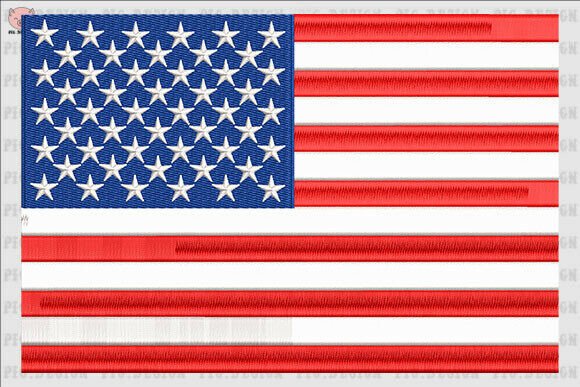
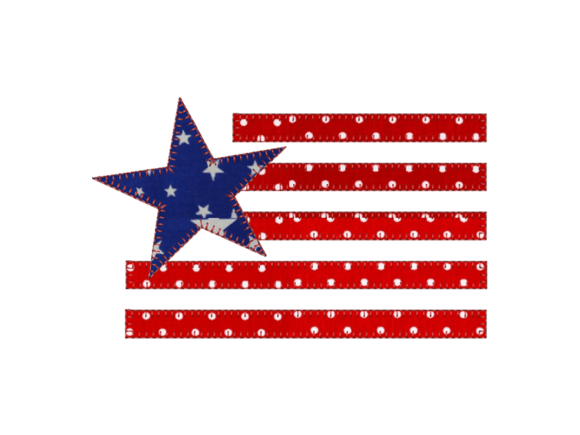
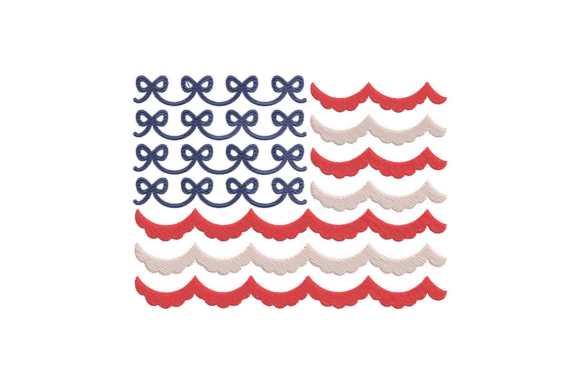
When I opened the American Flag embroidery file for the first time, what struck me wasn’t just its patriotic theme—but how confidently it occupies space. It’s not fussy or overly detailed; it leans into strong, balanced proportions with clean star placement and evenly spaced stripes. The layout feels intentional—not cramped, not sparse—and that matters more than you’d think when stitching on real fabric. I immediately pictured it on a heavyweight cotton tote bag for a local boutique’s Fourth of July launch: centered on the front panel, crisp against natural canvas, no background fill needed. That kind of visual confidence is rare in machine embroidery designs that try too hard to “look handmade.” This one trusts the flag’s own authority.
Where It Shines—And Where It Needs Thought
I tested American Flag across several real project types: a navy sweatshirt for a veteran support fundraiser, a linen tea towel for a small shop’s Memorial Day collection, and a lightweight baby onesie for a custom gift order. On the sweatshirt? Excellent. The satin stitch on the blue field held up beautifully with medium-weight cutaway stabilizer, and the red/white stripes stayed sharp without bleeding or shadowing. On the tea towel? Also strong—especially because the design avoids tiny interior details that snag or fuzz with frequent washing. But on the onesie? I paused. The stars are clear at 3.5" wide, but shrink it below 2.75", and some points soften. If you’re planning baby embroidery or cap embroidery, check your smallest hoop size and test stitch density first.
This isn’t an applique design—it’s a full-coverage stitch-out, so it relies on solid fill stitch execution and consistent thread tension. That means it performs best on stable, medium-to-heavy fabrics: twill, denim, canvas, structured cotton blends. Avoid using American Flag on highly stretchy knits (like jersey t-shirts) without excellent stabilization—or on ultra-thin fabrics like voile or silk charmeuse, where dense fill areas could pucker or show through. Curved surfaces like baseball caps require careful hooping and possibly reduced density in the star field to prevent distortion.
Real-World Fit for Your Craft Business
If you’re an Etsy seller or small shop owner building seasonal collections, American Flag is a reliable anchor piece—not flashy, but deeply functional. I used it as the focal point on a set of embroidered pillow covers for a North America–themed home goods line, pairing it with subtle running-stitch borders instead of competing motifs. Customers responded strongly to its clarity and restraint. It reads well in product photos, works cleanly in printable mockups, and translates reliably across light and dark fabric backgrounds (just verify thread color contrast—navy thread on black fabric disappears; white thread on ecru linen stays legible).
For commercial embroidery shops, this design holds up under volume. Its stitch path is logical, with minimal jump stitches, and it doesn’t overload machines with excessive trims or color changes. That saves time and thread—critical when fulfilling bulk orders for military appreciation gifts or community event merchandise. As a digital embroidery file, it also scales cleanly: I resized it from 4" to 6.5" for a custom apron project, and the star geometry remained crisp. Just remember—always run a test on scrap fabric first, especially if you’re layering it over seams, pockets, or textured weaves like waffle-knit towels.
What It Adds to Your Finished Product—Beyond the Obvious
American Flag does more than signal patriotism. It quietly elevates perceived value. A plain cotton tote becomes a keepsake. A generic sweatshirt gains gravitas. A holiday gift feels intentionally chosen—not mass-produced. That’s because the design carries weight without looking heavy-handed. There’s no cartoonish flair, no forced “vintage” distressing—just honest, well-proportioned iconography. That builds customer trust, especially for buyers seeking handmade authenticity over clip-art vibes.
It also supports brand consistency. Whether you’re curating a cohesive line of holiday embroidery or building a signature look for your craft business, American Flag fits without demanding attention away from your voice. It doesn’t shout—it stands. And that makes it versatile across contexts: nursery decor (paired with soft grays and whites), boutique apparel (centered on relaxed-fit chambray shirts), or even wedding gifts for military couples (stitched discreetly on handkerchiefs or ring bearer pillows).
Practical Designer Notes Before You Stitch
- Test first: Run a sample on fabric matching your final project’s weight and texture—even if it’s just a corner swatch.
- Stabilizer matters: Use cutaway for knits or stretchy items; tear-away works fine for stable wovens like tea towels or tote bags.
- Thread contrast is non-negotiable: Check how white stars read against dark fabric in natural light—not just on screen.
- Review stitch density: If your machine struggles with dense fills, consider slightly reducing density in the blue field—but never below 75% to preserve coverage.
- Hoop size check: Confirm the design fits comfortably within your standard hoop—especially if you’re batching orders on multi-needle machines.
- Licensing clarity: Verify whether this embroidery file permits commercial use before selling finished products or bundling it as part of a digital product pack.
- Mockup wisely: Preview American Flag in both black-and-white and color mockups to assess balance and legibility at different sizes.
Final Thought: A Design That Serves the Project, Not the Other Way Around
Not every embroidery file earns repeat use. American Flag does—because it respects the craft, the fabric, and the person wearing or gifting the finished product. It doesn’t ask you to compensate for weak structure or muddy execution. Instead, it gives you room to focus on what matters most: thoughtful placement, quality stitching, and the quiet pride of making something that resonates. Whether you’re embroidering a single personalized gift or scaling production for a holiday launch, this is one of those rare machine embroidery designs that feels less like a download—and more like a trusted tool.