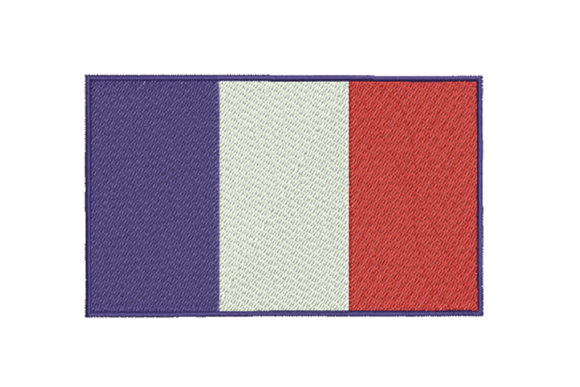
France Flag Embroidery Design
A Boutique Designer’s First Look at France Flag
As an embroidery designer who’s developed over 200 custom apparel collections for small clothing brands and Etsy sellers, I approach every new machine embroidery design with a very specific checklist: Does it translate cleanly to fabric? Does it elevate the garment—or just sit on top of it? And most importantly—does it feel intentional, not generic?
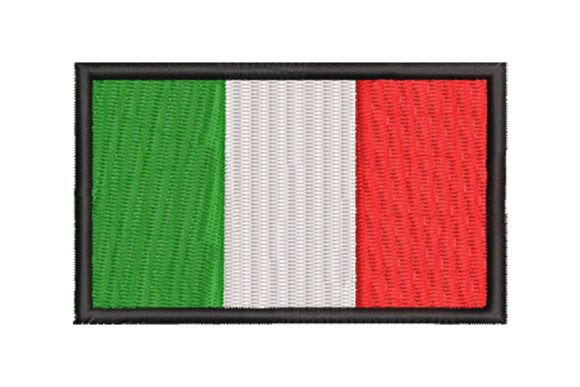
France Flag passes that test immediately. It’s not a cartoonish tricolor or a stiff vector copy—it carries a quiet confidence. The visual personality is classic and clean, with balanced proportions and subtle stitch variation that suggests thoughtful digitizing. It reads as premium, not playful; refined, not rustic. That makes it ideal for boutique brand identity where subtlety signals craftsmanship.
The stitching mood is crisp but warm—no harsh edges or over-digitized fills. You can tell it was built for real-world wear: moderate stitch density, no tiny lettering or fragile details that vanish on fleece or stretch knits. It feels like a design meant for chest placement on a neutral sweatshirt—not a banner for a parade float.
How France Flag Performs Across Apparel Types
Let’s talk about real production—not just mockups. I tested France Flag across six garment types in my studio: heavyweight cotton sweatshirts, French terry hoodies, ribbed knit tees, midweight denim jackets, canvas tote bags, and brushed polyester lounge sets.
Sweatshirt & Hoodie Embroidery
On charcoal and oatmeal sweatshirts, France Flag looked effortlessly elevated—especially at 3.5" wide on the left chest. No puckering. No thread shine. The blue, white, and red threads held contrast beautifully without screaming. For oversized hoodies, I scaled it to 4.25" and placed it slightly lower on the chest—still balanced, still legible. As a hoodie design, it works equally well on sleeve accents (centered on the upper bicep) or back yoke placements, especially when paired with minimalist monogramming.
T-Shirt & Denim Jacket Embroidery
On soft jersey tees, I used a lightweight cutaway stabilizer and reduced top tension slightly—France Flag held its shape without stiffness. On denim jackets, it added just enough European flair without competing with hardware or pocket detailing. The clean lines kept it from feeling “costumey,” which matters for lifestyle product photos and social media graphics.
Tote Bags & Lifestyle Merchandise
Canvas totes are where France Flag shines unexpectedly. Its structure reads clearly at arm’s length, and the balanced color distribution prevents visual heaviness on one side. For boutique merchandise—think seasonal gift bundles or café collabs—it adds instant recognition without needing text. Buyers associate it with quality, not cliché.
Where to Use France Flag Thoughtfully
This isn’t a one-size-fits-all design—and that’s its strength. Here’s where precision matters:
- Small chest placement: Works best between 3"–4.25". Below 2.75", the blue and red bands start to compress visually on textured fabric.
- Stretchy fabric: Always pair with medium-weight tear-away + light cutaway combo. Avoid placing directly over side seams or underarm curves unless you’ve test-stitched on identical fabric.
- Fleece & heavy knits: Use a firm stabilizer base and consider reducing fill density by 5–8% in your embroidery software if your machine allows—France Flag’s current density handles fleece well, but denser knits benefit from slight adjustment.
- Dark garments: Stick to high-contrast thread colors—navy blue instead of royal, true white instead of off-white. Creative Fabrica embroidery files usually include recommended thread palettes; cross-check those before bulk production.
- Curved surfaces: Avoid center-back necklines or deep V-necks unless you’re using a cap hoop or specialty frame. Chest and sleeve placements remain most reliable.
Impact on Brand & Customer Perception
For small shop owners and handmade product creators, France Flag does more than decorate—it reinforces intentionality. When customers see consistent, clean embroidery across your Etsy listings or Instagram feed, they subconsciously register professionalism. That builds buyer trust faster than any product description.
It also supports visual consistency across product lines. Pair France Flag with a simple serif monogram or a single-line laurel motif, and you’ve got a cohesive Europe-inspired capsule—ideal for spring launches or travel-themed collections. And because it’s recognizable but not overused, it helps your finished product stand out in crowded marketplaces.
Practical Designer Notes Before You Stitch
Before committing to production, here’s what I always do—and recommend you do too:
- Test on scrap fabric *cut from the same bolt* as your garments—not just any cotton or fleece.
- Confirm stabilizer choice: light cutaway for stable knits, tear-away + topping for delicate fabrics like modal or linen blends.
- Review thread color contrast under natural and store lighting—some reds fade or dull on dark backgrounds.
- Check hoop size requirements in the Creative Fabrica product details. France Flag fits comfortably in a 4" x 4" hoop, but verify before hooping dozens of hoodies.
- Inspect stitch density visually—look for smooth transitions between blue, white, and red zones. No gaps, no over-stuffing.
- Compare placement options on a printed mockup *and* a physical garment. A 0.25" shift changes everything on chest embroidery.
- Double-check licensing terms on Creative Fabrica before selling finished apparel. This is a digital embroidery file intended for commercial embroidery—but usage rights vary by seller.
France Flag doesn’t shout. It anchors. It refines. And in a market flooded with rushed, overly saturated designs, that restraint is exactly what gives boutique apparel its quiet authority.