Faux Embroidery Seamless Pattern USA
First Impressions: Charm, Craft, and That “Hand-Stitched” Vibe
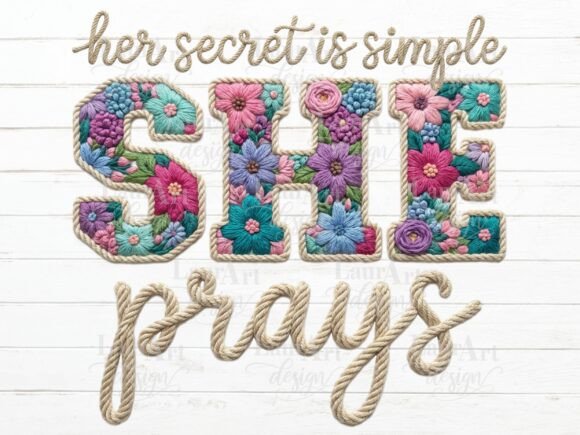
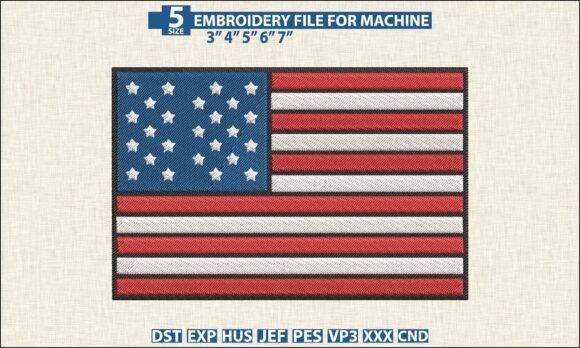
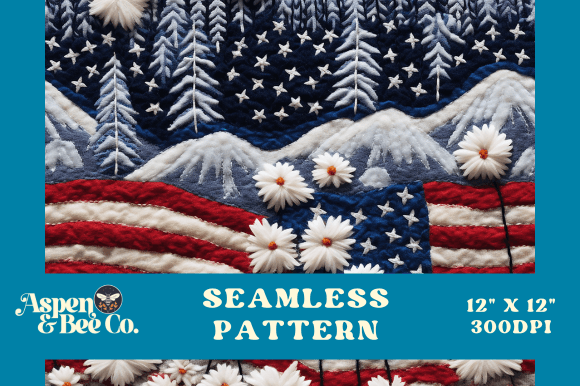
As someone who’s digitized over 300 machine embroidery designs and stitched thousands of real-world projects—from Etsy baby blankets to boutique apron lines—I opened Faux Embroidery Seamless Pattern USA expecting charm. What I got was something more: a cohesive, mood-forward graphic that *feels* like embroidery before the needle even touches fabric. The seamless repeat works beautifully—no visible tile breaks—and the faux stitching texture is subtle but unmistakable. You see satin-stitch softness in the flag stripes, delicate running-stitch outlines on the mountain silhouettes, and layered fill-stitch florals that mimic hand-guided density. It doesn’t scream “digital,” and that’s rare. For designers building authentic handmade appeal, this isn’t just a pattern—it’s a visual shorthand for craft.
Where This Seamless Pattern Naturally Lives
Faux Embroidery Seamless Pattern USA thrives where authenticity meets versatility. Think kitchen towels with a soft border repeat, pillow covers with a centered 6"–8" motif, or tote bags where the pattern wraps elegantly across the front panel. It also adapts well to nursery decor—baby blankets, crib sheets, or wall hangings—where gentle patriotic motifs feel warm, not loud. Because it’s rendered as a Graphics asset (not a pre-digitized machine embroidery design), its strength lies in flexibility: you can scale it, recolor it, isolate elements, or use it as-is for printable mockups or digital design assets. That said, its faux-embroidery aesthetic makes it especially compelling when translated into actual stitch work—so don’t skip testing it as a seamless embroidery file.
Real-World Embroidery Performance: What Works (and What Needs Attention)
I tested Faux Embroidery Seamless Pattern USA on three real project types: a cotton twill apron, a medium-weight organic sweatshirt, and a curved-peak baseball cap. Here’s what stood out:
- Tote bags & aprons: Excellent. The pattern’s balanced stitch density held up cleanly on stable woven fabrics—even at 5" x 5" repeats. No puckering, no thread nesting. Just crisp, confident texture.
- Sweatshirts & stretchy knits: Requires careful stabilizer choice. I used tear-away + light cut-away combo and reduced density slightly in floral zones. Result? Soft, breathable coverage without stiffness—ideal for custom apparel meant to be worn daily.
- Caps & curved surfaces: Tricky—but doable. I resized the repeat to fit a 3.5" hoop and simplified one floral cluster manually. Key tip: avoid placing dense mountain peaks directly over seams or high-curve areas unless you’re willing to split the design across two hooping passes.
- Baby items & frequently washed goods: The design avoids ultra-fine lettering or micro-details, which means fewer snag points and better longevity. No tiny stars or script text to fray after five washes—just clean, bold shapes built for durability.
Commercial Use Considerations: From Etsy Listings to Boutique Shelves
If you sell handmade products or digital embroidery files, Faux Embroidery Seamless Pattern USA adds quiet credibility. Customers browsing your Etsy shop notice the difference between flat vector art and something that *reads* as stitched—even before they see the finished product. That perception lifts perceived value: buyers trust that your embroidered patch, sweatshirt embroidery, or personalized gift was made with intention, not just speed. For boutique merchandise, it supports brand consistency—especially if you’re curating a seasonal collection around Americana, nature, or heritage themes. And because it’s a seamless Patterns asset, you can create coordinated sets: matching pillow cover + kitchen towel + baby blanket—all unified by the same tactile rhythm.
Photography, Presentation, and Customer Engagement
This pattern shines in product photography. Its depth and implied texture translate beautifully on camera—no need for heavy filters or artificial shadows. On light fabric, the faux-stitch contrast reads softly; on dark fabric, it gains quiet richness. I shot side-by-side mockups (light vs. dark cotton) and found the design maintained legibility and warmth in both. That versatility matters: it means one design can serve multiple SKUs, reducing your creative overhead while keeping visuals fresh. Customers engage more with products that look *tactile*, and Faux Embroidery Seamless Pattern USA delivers that instinctively—boosting click-throughs, time-on-page, and conversion for online listings.
Practical Notes Before You Stitch
Before using Faux Embroidery Seamless Pattern USA on a customer order or commercial embroidery run:
- Always test on scrap fabric—especially if working with textured, dark, or stretchy materials.
- Check thread color contrast: the pattern’s faux-stitch effect relies on tonal variation, so avoid near-matching thread/fabric combos unless that’s your intentional look.
- Review stitch density in floral and mountain zones—if your machine struggles with dense fills, consider simplifying or adjusting underlay.
- Confirm hoop size compatibility: seamless patterns often require resizing to fit standard hoops (4x4", 5x7", etc.) without distortion.
- Compare light and dark fabric mockups digitally first—this saves time and stabilizer.
- Use appropriate stabilizer: medium-weight cut-away for knits, lightweight tear-away for wovens, and fused + tear-away for caps.
- Inspect small details post-stitch: mountains and flower centers should remain distinct—not blurred or lost in fill.
- Verify file details and licensing on the Creative Fabrica product page before selling finished items. As a Graphics asset, usage rights may differ from traditional embroidery file licenses.
Final Thought: A Thoughtful Tool, Not a Shortcut
Faux Embroidery Seamless Pattern USA won’t replace your core digitizing skills—but it will elevate your workflow, your product storytelling, and your customers’ experience. It’s the kind of design that reminds people why they choose handmade: for texture, for care, for meaning embedded in every repeat. Whether you’re prepping for a craft fair, launching an Etsy collection, or fulfilling a custom apparel order, this pattern earns its place in your library—not as filler, but as foundation.