Mini Daisy Flower with Heart
A Fresh, Youthful Accent That Catches Eyes—Not Just Light
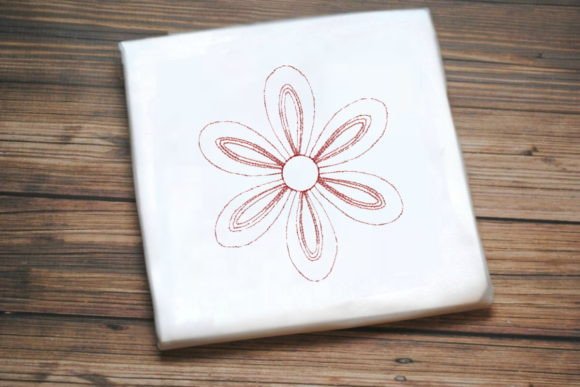
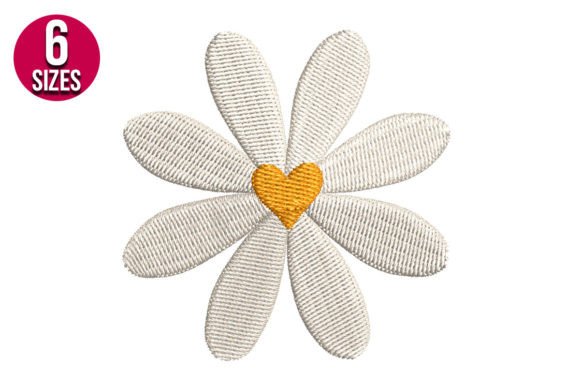
As an embroidery designer who’s prepped over 200 craft fair booths—from Portland makers’ markets to Nashville holiday bazaars—I opened Mini Daisy Flower with Heart expecting sweetness. What I got was something sharper: a compact, emotionally resonant motif that balances daintiness with quiet confidence. It doesn’t scream “farmhouse” or “boho”—it leans into soft modernity. Think clean lines, gentle curves, and intentional minimalism—not cluttered petal layers or fussy stems. The heart integration feels organic, not tacked-on, which matters when your customer is scanning a booth in under three seconds.
Where Mini Daisy Flower with Heart Shines on Craft Fair Products
This isn’t a design that needs center stage. Its strength lies in *strategic placement*. On a linen tea towel? Perfect above the hem—subtle but unmistakably handmade. On a canvas tote bag? Ideal near the strap seam or as a single accent on the pocket flap. For apron embroidery? Place it just below the bib’s curve—it softens structure without sacrificing utility. And on embroidered patches? It holds up beautifully at 2–2.5 inches wide, making it ideal for denim jackets, kids’ backpacks, or boutique gift tags.
It also performs exceptionally well on small-format items where visual clarity is non-negotiable: fabric pouches, mini pillow covers (12" x 12"), and market bags with lightweight cotton canvas. Unlike dense floral clusters, Mini Daisy Flower with Heart reads instantly—even from six feet away—thanks to its open negative space and balanced silhouette. That’s gold for booth flow: no need to explain it. Customers *get it*.
What Works Online—and What Needs Extra Care
For Etsy sellers and digital embroidery file shops, this design photographs cleanly. Its simplicity translates well to printable mockups—no distracting shadows or stitch bleed. Pair it with soft neutral backgrounds (oatmeal linen, heather gray cotton) and it looks premium, not generic. But caution: on dark fabric, thread contrast becomes critical. If your embroidery file uses light pastel threads (e.g., blush pink center + ivory petals), test those against navy or charcoal first. A mismatch here dulls the “youthful look” the description promises.
Also note: while it scales gracefully *up* (great at 3.5" on a pillow cover), shrinking below 1.25" risks losing definition—especially in the heart’s inner curve and petal tips. Avoid using it as a tiny repeat pattern on scarves or napkins unless you’ve verified stitch density won’t cause puckering.
Practical Production Notes Every Embroidery Business Owner Should Know
- Test before you hoop: Run a sample on scrap fabric matching your final product’s weight and texture—especially for textured tea towels or curved cap surfaces. Dense stitch areas may shift on terry cloth or stretchy knits.
- Stabilizer matters: Use medium-weight cutaway for structured items (tote bags, patches) and tear-away for lightweight linens (tea towels, pouches). Skip fusible web alone—it won’t support the heart’s fine interior stitching.
- Hoop size & spacing: Confirm the file’s recommended hoop size. If it’s tight (e.g., fits only in a 4"x4"), plan layout carefully on larger items like aprons to avoid re-hooping mid-design.
- Thread colors = brand consistency: Choose thread palettes that align with your shop’s aesthetic—mint + cream reads cottagecore; lemon yellow + slate gray reads modern artisan. Don’t default to manufacturer defaults.
- Licensing check: Before selling finished products (e.g., embroidered caps or pillow covers), verify the digital embroidery file includes commercial use rights. Not all Single Flowers Plants category files do.
How Mini Daisy Flower with Heart Strengthens Your Booth & Brand
In person, this design elevates perceived value without raising price points. A $28 linen tote with Mini Daisy Flower with Heart near the handle reads more intentional—and more expensive—than one with generic script. It signals care, not haste. That perception drives impulse buys, especially among shoppers seeking handmade quality over mass-produced charm.
It also builds cohesion across product lines. Use it consistently on tea towel sets, matching pouches, and apron bundles—and suddenly your booth feels curated, not crowded. For small shop owners juggling 10+ SKUs, that visual rhythm reduces decision fatigue for buyers. They see unity, not variety for variety’s sake.
And yes—it encourages engagement. At last month’s Asheville craft fair, I watched three customers pause at a pillow display featuring this motif, then ask, “Is that a daisy *and* a heart?” That micro-conversation? That’s your opening to share your story, your process, your love of botanical embroidery. Mini Daisy Flower with Heart doesn’t just decorate fabric—it invites connection.
Final Verdict: A High-Return, Low-Risk Embroidery File for Handmade Sellers
This isn’t a trend-chasing design. It’s a quietly versatile machine embroidery design built for longevity—ideal for spring markets, baby showers, teacher gifts, and everyday joy. It works across age groups (teens love the heart; grandparents love the daisy), supports both monochrome and colorful palettes, and adapts seamlessly to new product formats (think: embroidered bookmarks or reusable produce bags).
For Etsy sellers building design assets, it’s a smart addition to your Embroidery category toolkit—especially alongside other Single Flowers Plants motifs. For craft fair vendors, it’s booth-ready with minimal prep: one real mockup, two thread combos tested, and a clear story about freshness and feeling. Just remember: its power lies in restraint. Let it breathe. Give it space. And always—always—test it on the exact fabric you’ll sell.