Blue Green One Line Flower
A Thoughtful Review for Small Business Merch & Branded Patches
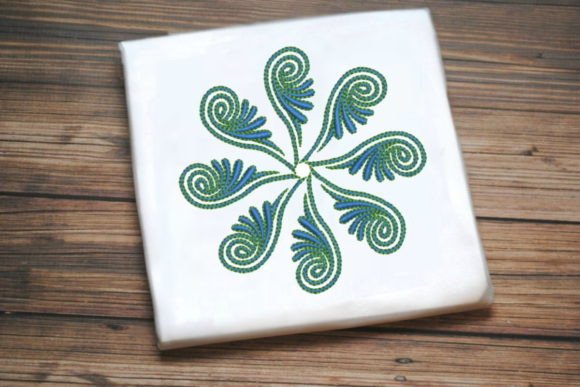
As an embroidery designer who’s developed and tested hundreds of machine embroidery designs for small businesses—from neighborhood bakeries to indie florists and handmade studios—I approached Blue Green One Line Flower with both curiosity and practical intent. Its title alone signals intention: “blue green” suggests harmony and calm, “one line” implies fluidity and modern minimalism, and “flower” anchors it in nature-driven appeal. This isn’t just decorative—it’s a brand-ready motif with quiet confidence.
First Impression: Elegant, Friendly, and Professionally Handmade
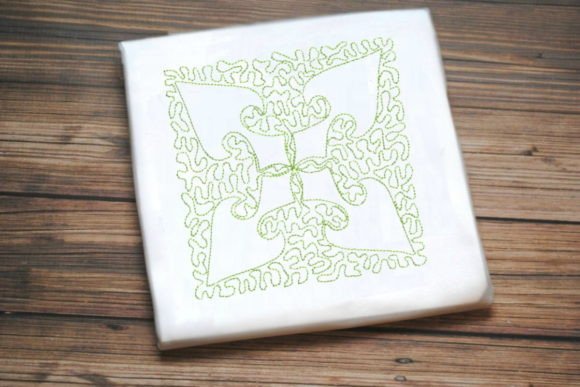
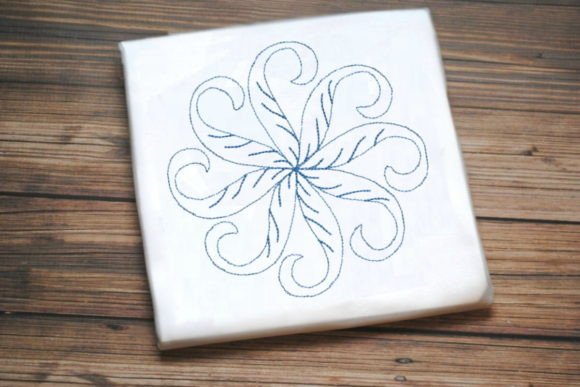
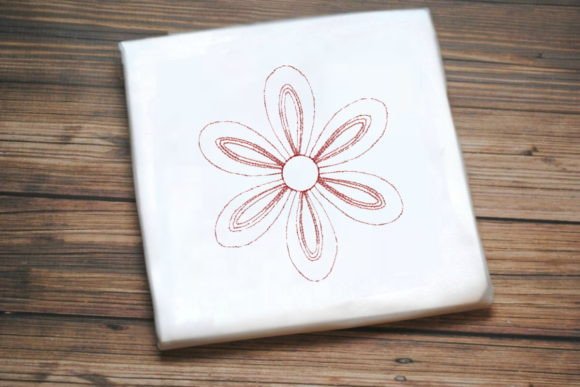
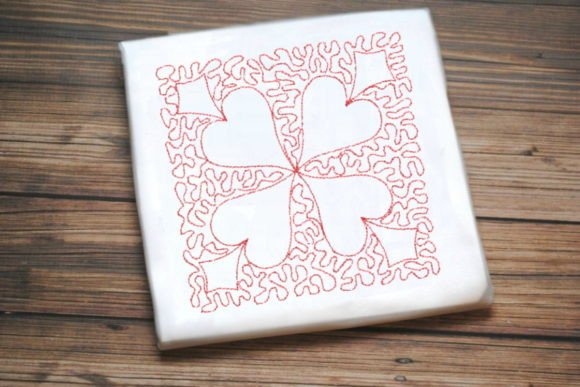
Right away, Blue Green One Line Flower reads as elegant yet approachable—ideal for businesses that want warmth without whimsy, craftsmanship without clutter. It avoids the overly literal or botanical-dense look common in many Single Flowers Plants designs. Instead, it leans into clean line art sensibility: one continuous stroke forming a stylized bloom. That makes it feel intentional, not incidental—perfect for brands building visual consistency across embroidered patches, aprons, caps, and tote bag designs.
Real-World Performance Across Business Applications
In commercial embroidery settings, Blue Green One Line Flower shines where subtlety meets impact:
- Embroidered patches: Works beautifully at 2–3" sizes—clean lines hold up well in twill or chenille backing, especially when paired with tonal thread colors like teal, sage, or charcoal.
- Staff uniforms & aprons: As a chest accent or sleeve detail, it adds personality without overwhelming workwear. Its low stitch density means faster production and less wear on fabric over time—key for cafés or boutiques laundering daily.
- Cap embroidery: Performs well on front panels when sized to 1.75–2". The single-line flow adapts gracefully to curved surfaces, avoiding distortion common in tightly detailed floral motifs.
- Tote bag design & product packaging accents: Stitches crisply on canvas, linen, and cotton duck—fabrics commonly used in boutique merchandise and Etsy branding. Its simplicity ensures legibility even after repeated use and washing.
- Customer gifts & event merch: Appears premium on hand-stitched-style mockups, reinforcing perceived value for handmade product buyers.
Where to Use Blue Green One Line Flower With Care
Like any strong digital embroidery file, this design has sweet spots—and boundaries. Here’s where thoughtful testing matters:
- Under 1.5": Fine details may blur; always run a test stitch at intended patch size before bulk production.
- Dark uniforms or textured fabric: Contrast depends heavily on thread color choice—test black-on-navy or mint-on-charcoal to avoid visual loss.
- Frequent-wash items: While elegant, its delicate line weight benefits from medium-weight cutaway stabilizer to prevent puckering over time.
- Curved cap fronts or knit fabrics: Hoop size and fabric tension become critical—don’t skip the real-fabric test.
How It Strengthens Brand Identity & Customer Trust
Small business owners often underestimate how much a single, well-chosen embroidery motif contributes to brand identity. Blue Green One Line Flower does heavy lifting here: it feels cohesive across diverse applications (a café’s apron, a florist’s tote, a pet brand’s bandana), creating visual rhythm without repetition fatigue. Customers subconsciously associate its calm palette and graceful line with care, authenticity, and attention to detail—traits that build trust far more effectively than generic clipart.
For Etsy sellers and handmade brands, this design supports a “thoughtfully made” narrative. Unlike busy, over-rendered florals, it leaves room for the product—and the person wearing it—to breathe. That space invites engagement. A customer doesn’t just see a flower—they notice the intention behind it.
Practical Designer Notes Before You Stitch
Before adding Blue Green One Line Flower to your next commercial embroidery project, consider these field-tested steps:
- Test in black and white first: Confirm line clarity and spacing without color distraction.
- Check small-patch viability: Resize to your smallest intended use (e.g., 1.25" for cap side logos) and stitch on scrap fabric.
- Review thread color contrast: Blue-green threads vary widely—sample matte vs. rayon, light vs. heathered fabric backgrounds.
- Inspect spacing and underlay: Ensure no floating stitches or tight corners that could snag during wear.
- Confirm hoop size compatibility: Most single-flower embroidery files fit standard 4x4 hoops—but verify before digitizing for multi-position runs.
- Use proper stabilizer: Medium cutaway for woven fabrics; tear-away + topping for knits or textured surfaces.
- Create a printable mockup: Present to clients alongside your other design assets—this builds approval confidence fast.
- Compare beside existing branding: Does it harmonize with your logo, typography, and packaging? Consistency is key.
- Confirm commercial licensing: Since this is intended for small business merch and branded patch use, ensure your digital embroidery file includes rights for resale and promotional distribution.
Final Thoughts for Embroidery Shops & Product Designers
Blue Green One Line Flower stands out in the crowded Embroidery category—not because it shouts, but because it listens. It understands the needs of small business merch: scalability, wash durability, visual cohesion, and emotional resonance. It’s equally at home on a barista’s apron as it is on a limited-edition tote for a creative studio’s launch.
For embroidery shops, it’s a reliable, fast-turnaround asset—low stitch count, forgiving digitization, and high client satisfaction. For product designers and crafters, it’s a versatile building block: pair it with minimalist typography for packaging, layer it subtly on seam allowances, or scale it boldly for wall hangings in boutique retail spaces.
Ultimately, this isn’t just another floral embroidery file. It’s a quiet signature—one line, two colors, endless applications. And in today’s market, where authenticity and intentionality drive buyer engagement, that kind of thoughtful simplicity is rare, valuable, and deeply brand-worthy.